

Living with major depression often feels like navigating a relentless cognitive paralysis. For millions of adults, standard clinical care delivers genuine relief through modern psychotherapy and common prescription medications. Yet for a significant subset—an estimated thirty percent of those diagnosed—the conventional medical toolkit fails to move the needle. These individuals rotate through selective serotonin reuptake inhibitors, dual-action antidepressants, atypical antipsychotics, and lifestyle interventions, only to remain trapped beneath an unyielding emotional weight.
This clinical impasse is formally known as treatment-resistant depression. In recent years, a novel therapeutic frontier has emerged to challenge this stagnation: clinical ketamine.
Historically recognized as a battlefield and surgical anesthetic, and later stigmatized as an illicit party drug, ketamine is now widely regarded as one of the most consequential developments in neuropsychiatry in half a century. Despite widespread media enthusiasm, ketamine is neither a miraculous cure-all nor an effortless fix. Navigating the reality of ketamine therapy requires separating marketing hyperbole from clinical facts, understanding its neurological mechanism, and recognizing both its transformative power and its practical constraints.
A Fundamental Shift in Neurochemical Targets
To understand why ketamine succeeds where other medications falter, one must examine how conventional antidepressants operate. For decades, psychiatric pharmacology operated almost exclusively on the monoamine hypothesis. This framework assumes that depressive states stem primarily from an imbalance of neurotransmitters such as serotonin, norepinephrine, or dopamine. Traditional oral medications work by keeping these chemicals circulating in the brain longer, a process that frequently takes four to eight weeks to alter mood, if it does at all.
Ketamine bypasses the monoamine pathway entirely. As an NMDA receptor antagonist, it acts directly on glutamate, the brain’s primary excitatory neurotransmitter. Glutamate governs roughly ninety percent of all signal transmissions across the human central nervous system.
When ketamine blocks NMDA receptors, it triggers a cascading surge of glutamate, which in turn stimulates brain-derived neurotrophic factor. This neurochemical chain reaction accelerates synaptogenesis—the physical sprouting of new dendritic connections between neurons.
Chronic stress, severe trauma, and long-term depressive episodes physically degrade these neural connections, pruning away communication pathways like branches on an untended tree. Ketamine acts as a biological fertilizer, rebuilding structural connectivity across regions of the brain that govern mood regulation, emotional processing, and executive function.
Crucially, this repair begins almost immediately. While traditional pharmaceuticals require weeks to accumulate therapeutic density, patients undergoing ketamine therapy frequently experience measurable mood shifts within hours or days, making it particularly vital for addressing acute suicidal ideation.
Delivery Methods and the Clinical Protocol
Ketamine is not delivered as a standard daily pill you pick up at a neighborhood pharmacy. Its administration is structured around tight medical oversight to ensure both physiological safety and therapeutic efficacy.
Clinically, treatment typically takes one of two primary pathways:
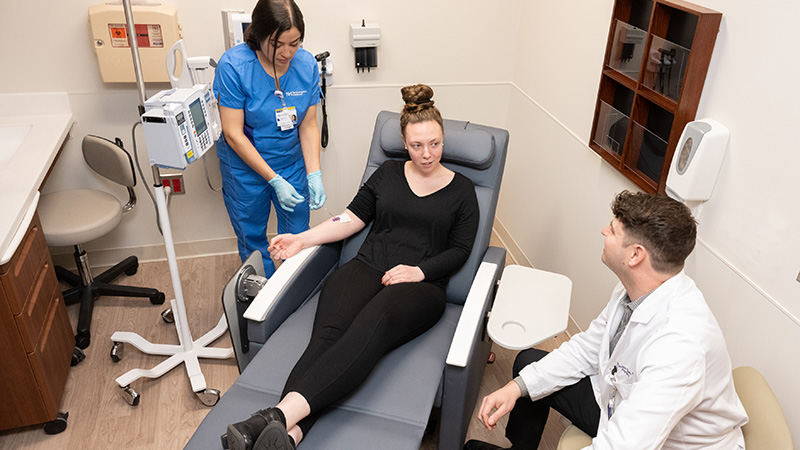
- Intravenous (IV) Infusions: Considered the gold standard in specialized outpatient clinics, IV administration delivers generic ketamine directly into the bloodstream over a forty-minute period. This method offers complete bioavailability and gives medical providers exact, minute-by-minute control over dosing. If a patient experiences acute discomfort or excessive dissociation, the infusion rate can be adjusted or stopped immediately.
- Intranasal Esketamine: Administered as a targeted nasal spray, esketamine utilizes the S-enantiomer molecule of ketamine. Because it carries federal regulatory clearance for treatment-resistant depression, it is frequently accessible through commercial health insurance. It must be self-administered in a certified clinical office under two hours of post-dose medical observation.
A standard induction protocol generally consists of six sessions administered over two to three weeks. This concentrated induction phase aims to break the entrenched biological cycle of depressive rumination.
If a patient responds well, treatment shifts to a maintenance phase. Because ketamine does not permanently reprogram brain chemistry, the newly formed synaptic connections can degrade over time without reinforcement. Maintenance routines vary widely; some patients return for a single booster infusion once a month, while others extend intervals to quarterly check-ins or taper off entirely as complementary therapies take root.
Inside the Treatment Room: The Dissociative Experience
The acute subjective sensation of ketamine is fundamentally distinct from any traditional psychiatric medication. During an infusion or nasal administration, patients experience a controlled state of dissociation—a temporary detachment from physical body awareness, ordinary sensory processing, and standard ego boundaries.
In a professional setting, patients recline in a dimly lit room, often equipped with an eye mask and noise-canceling headphones playing ambient, lyric-free music. Clinicians monitor heart rate and blood pressure throughout, as ketamine causes temporary, mild spikes in cardiovascular metrics.
Subjectively, the dissociative experience lasts between forty-five and sixty minutes. Patients frequently report feeling as though they are floating, watching their thoughts pass by like clouds, or experiencing memories without the overwhelming emotional pain typically attached to them. This altered state creates a rare psychological distance. Traumatic memories and chronic self-critical scripts, which usually evoke acute panic or despair, can suddenly be observed with cool, non-judgmental neutrality.
While the majority of patients find the experience deeply relaxing or cathartically reflective, transient side effects can occur. Mild nausea, dizziness, sensory disorientation, and brief waves of psychological vulnerability are common. In a proper medical clinic, trained staff remain nearby to offer reassurance, anti-nausea medication, or adjustments to the delivery rate.
The Window of Neuroplasticity and the Need for Integration
A common misconception is that ketamine does all the heavy lifting on its own. While the drug provides a profound biological reset, lasting psychological recovery depends on what happens after the infusion ends.
Ketamine opens a critical window of neuroplasticity that lasts roughly forty-eight to seventy-two hours following administration. During this timeframe, the brain is unusually flexible, pliable, and receptive to new behavioral patterns. The rigid, repetitive mental grooves of depression are temporarily smoothed out.
If a patient receives an infusion and immediately returns to an unhealthy environment, engages in toxic relationship dynamics, or resumes isolating behaviors, the brain simply cements those old grooves back in place.
To achieve sustained remission, ketamine must be paired with intentional integration therapy. Working alongside a licensed therapist during the post-infusion window allows patients to examine the insights gained during dissociation, challenge deep-seated cognitive distortions, and build sustainable emotional habits. Ketamine provides the biological space to heal; psychotherapy and deliberate lifestyle adjustments provide the architecture.
Practical Hurdles: Costs, Access, and Candidacy
Despite its clinical promise, ketamine therapy presents clear logistical and financial barriers that prospective patients must weigh carefully.
Off-label IV ketamine is rarely covered by commercial insurance, leaving patients to pay out of pocket. A complete induction series can cost between two and four thousand dollars, with maintenance sessions adding ongoing financial strain. While nasal esketamine offers broader insurance coverage pathways, navigating prior authorizations and clinic availability remains a complex hurdle.
Ketamine is also not universally appropriate. Responsible clinics screen candidates rigorously:
- Psychiatric contraindications: Individuals with a personal history of psychosis, active mania, or schizophrenia are generally excluded, as ketamine can trigger or exacerbate psychotic episodes.
- Cardiovascular concerns: Severe, uncontrolled hypertension or significant cardiovascular disease requires medical clearance, given ketamine’s temporary stimulant effects on blood pressure.
- Substance use history: Active, unmanaged substance use disorders require careful clinical evaluation to avoid replacing one vulnerability with another.
Moving Beyond the Panacea Narrative
Ketamine represents a monumental advancement for individuals who have spent years feeling abandoned by modern medicine. It offers rapid relief when standard treatments fail, dampens acute suicidal despair, and physically restores damaged neural connections.
Yet viewing it as a standalone miracle cure does a disservice to the patients who need it most. Ketamine is an intensive medical intervention that requires specialized oversight, financial commitment, and active psychological integration. When approached with realistic expectations and integrated into a comprehensive mental health plan, it serves as a powerful biological catalyst—offering exhausted individuals the clarity, relief, and breathing room necessary to reclaim their lives.