

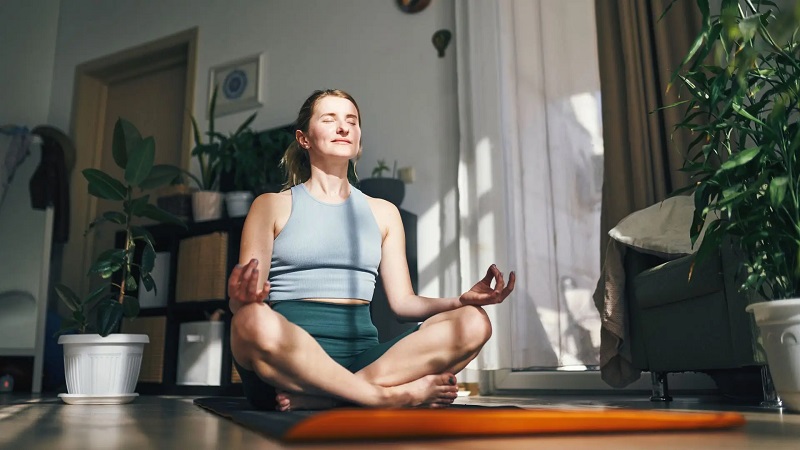
The modern wellness industry has spent the last decade turning meditation into an elaborate lifestyle aesthetic. Social media feeds are flooded with images of sun-drenched meditation nooks, handcrafted linen zafus, aromatic incense burners, and boutique singing bowls. Along with the decor comes an unspoken expectation of monastic discipline: waking up at dawn, committing to forty-five minutes of silence, and maintaining an unbroken digital tracking streak.
For anyone managing a full-time job, family obligations, or simply the chaos of an ordinary home, this curated ideal is intimidating. More often than not, it becomes the very reason people quit before they ever build momentum. When a practice requires ideal conditions to happen, the friction of daily life ensures it rarely happens at all.
Meditation does not require an aesthetic ceremony, an isolated room, or a rigid schedule. At its core, mindfulness is simply the deliberate practice of returning your attention to the present moment. By stripping away unnecessary rituals and lowering the barrier to entry, you can build an authentic, grounding home practice that thrives amidst the messiness of real life.
Strip Away the Aesthetic Overhead
The first step in simplifying home meditation is abandoning the idea that you need specialized equipment or a dedicated sacred space. Buying props and curating an environment creates the illusion of progress, but it also creates dependency. If you can only practice when your favorite candle is lit and your special cushion is positioned just right, your habit remains fragile.
You do not need to sit in a full lotus posture on the floor, either. For many adults, sitting cross-legged on a hard floor causes immediate hip tightness, foot numbness, and lower back strain within five minutes. Spending your entire session silently agonizing over physical discomfort defeats the purpose.
Sit wherever your body feels supported and alert. A standard dining chair with your feet flat on the floor, a sturdy armchair, or the edge of your living room sofa works just as well as a traditional mat. The only structural guideline that truly matters is keeping an upright yet relaxed spine. When your torso is balanced, your rib cage expands easily, allowing your breath to move naturally without feeling restricted or slouching into drowsiness.
Lower the Threshold to Eliminate Resistance
When beginners decide to start meditating, they almost always set the bar too high. Committing to twenty or thirty minutes every morning sounds ambitious, but on a busy Tuesday when your alarm fails or an urgent email arrives, that thirty-minute block feels insurmountable. You skip the session, feel a twinge of guilt, and begin an inevitable slide toward dropping the habit entirely.
Consistency is governed by the size of the initial threshold. In the beginning, a deliberate two-minute session beats a theoretical twenty-minute session every single time.
Two minutes is short enough that your brain cannot reasonably invent an excuse to avoid it. It fits between putting on your shoes and heading out the door, or right after you shut down your work computer for the evening. Over time, those brief two minutes train your nervous system to pause on command. Once the habit of sitting becomes second nature, you can naturally lengthen the time when your schedule permits, but your baseline commitment should remain small enough that you can protect it on your worst days.
Anchor Mindfulness to Existing Domestic Rhythms
Carving a brand-new, isolated block of time out of an already packed calendar requires tremendous willpower. A far more reliable approach is habit stacking—anchoring your brief meditation practice to physical transitions that already happen in your home every day.
Consider the natural pauses already woven into your domestic routine:
- The morning brew: While your electric kettle boils or your coffee maker runs, use those two to three minutes to stand quietly, feel the weight of your feet on the floor, and follow your breathing rather than reflexively scrolling through your phone.
- The driveway transition: After parking your car at home at the end of the workday, leave your phone in the console and spend three minutes sitting quietly with your eyes closed before stepping inside. This creates a clear mental boundary between professional demands and domestic life.
- The evening power-down: Right after closing your laptop or finishing the dinner dishes, pause in your chair for sixty seconds to take three deep, intentional breaths before moving to the next task.
When you link meditation to physical cues that already exist, you eliminate the mental friction of deciding when and where to practice. The day itself provides the prompt.
Focus on Approaches That Demand Zero Setup
You do not need a library of recorded guided sessions or complex visualization techniques to cultivate presence. Complex instructions often keep the brain in analytical mode, wondering whether you are visualizing the right colors or following the pacing correctly. Two straightforward techniques require zero preparation and work anywhere.
The Anchor Breath
Sit comfortably, close your eyes or soften your gaze toward the floor, and locate where you feel your respiration most distinctly. For some, it is the cool air entering the tip of the nostrils; for others, it is the physical expansion and collapse of the chest or abdomen.
Rest your attention on that single physical sensation. Do not try to alter your breathing pattern or force slow, theatrical inhales. Simply observe the body breathing on its own. When your mind inevitably drifts toward your grocery list or an awkward conversation from yesterday, notice that you wandered, let go of the thought without judgment, and bring your focus back to the physical sensation of the breath. That return is the entire practice.
Environmental Sound Grounding
One of the most persistent frustrations for home practitioners is household noise. A partner washing dishes in the kitchen, children playing down the hall, or sirens outside the window can feel like direct violations of your meditation time.
Instead of fighting ambient sound, make it your anchor. Close your eyes and expand your awareness to the auditory landscape around you. Listen to sounds not as annoying interruptions, but as neutral acoustic data. Notice volume, pitch, distance, and the brief pockets of quiet between sounds. Shifting from resisting noise to observing it immediately diffuses irritation and grounds your attention in real-time reality.
Redefine What Progress Actually Feels Like
Many people quit meditating because they mistakenly believe their goal is to stop thinking entirely. When their minds continue to produce a torrent of thoughts, they assume they are bad at meditation and walk away frustrated.
The human brain is an organ designed to produce thoughts, much like the heart is designed to beat. The goal of meditation is not an empty mind; it is developing a different relationship with the thoughts you have.
Every time you realize your attention has drifted into mental commentary and you gently steer it back to your anchor, you have performed a mental repetition. A session filled with fifty distractions and fifty returns is not a failure; it is an exceptional workout for your attention.
Drop the pressure to achieve profound transcendent calm or maintain arbitrary thirty-day app streaks. When you stop treating meditation like a fragile performance and start viewing it as a gentle, low-stakes pause within your regular day, it ceases to be a burden. It simply becomes the place where you catch your breath.